Mass Concrete Temperature Monitoring: Why and How
Why mass concrete heats up after placing, how the core-to-surface temperature difference causes cracking, and how sensors track it until it settles.
2 min readRead article
Plain-language articles on soil testing, geotechnical studies and construction materials testing, plus answers to the most common questions.
Short answers to what people ask most before starting a soil study.
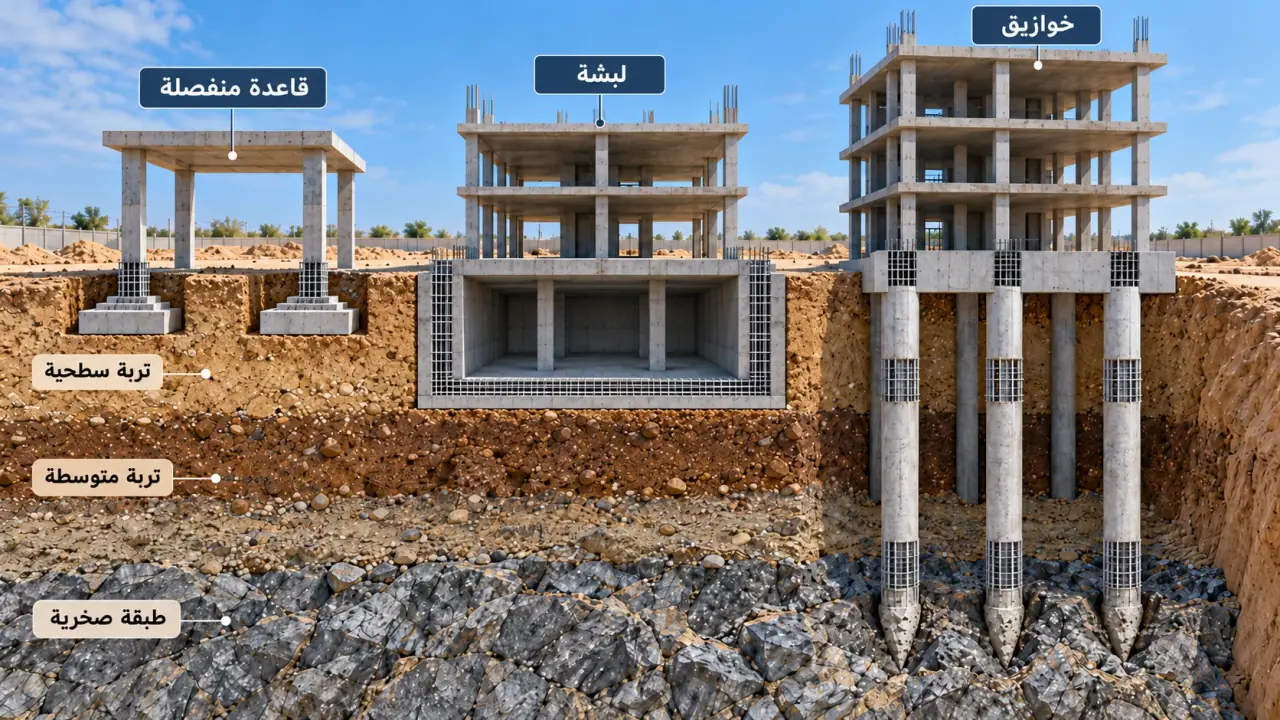
Soil testing (a geotechnical study) reveals the nature and properties of the layers under the site through boreholes, sampling, and field and laboratory tests. Foundation type and founding depth are recommended from it, which reduces the risk of settlement and cracking.
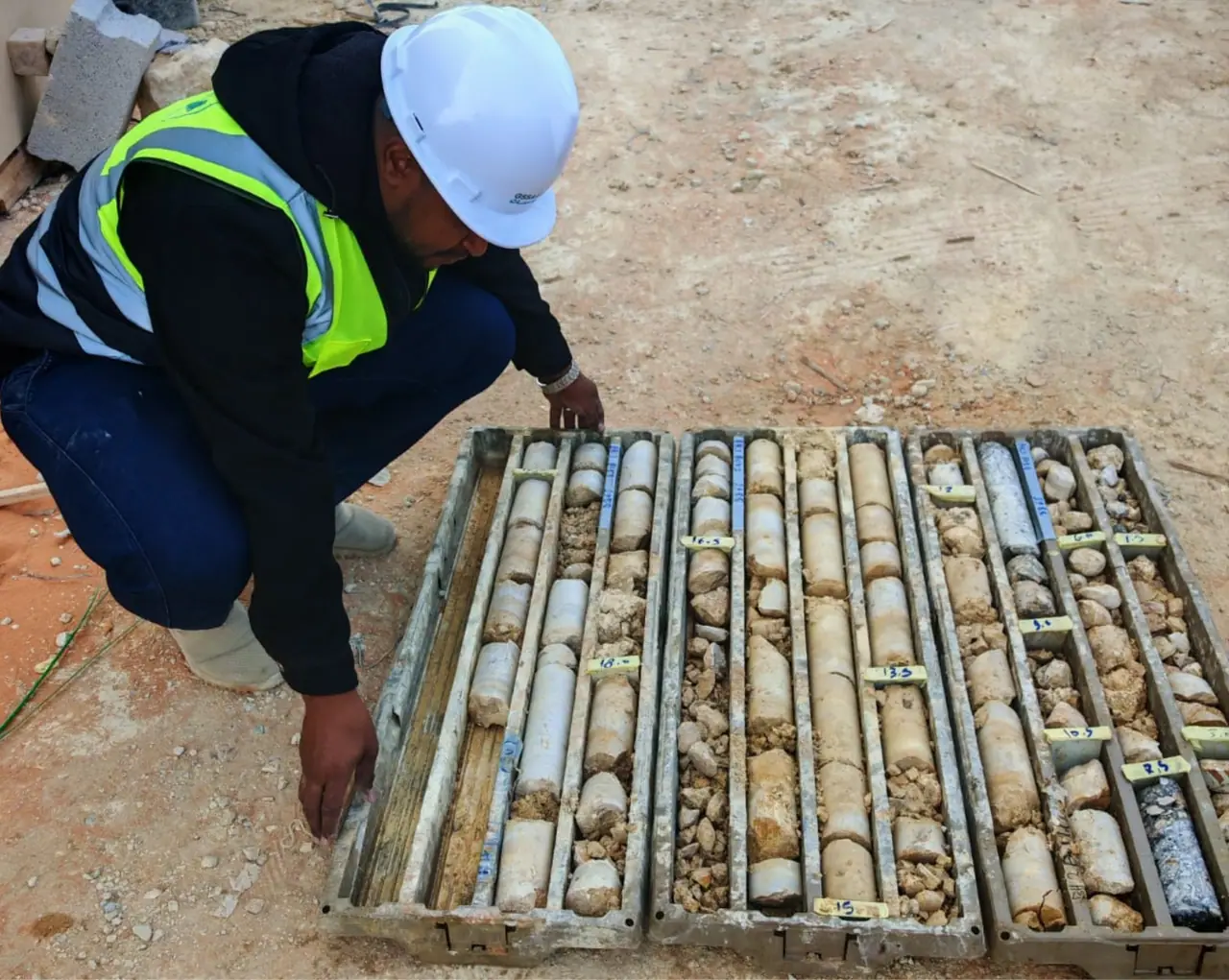
Boreholes are the field drilling works from which samples are taken and some tests are run on site. Laboratory tests are carried out on the retrieved samples to determine their physical, mechanical and chemical properties. A complete study combines both.
It varies from project to project depending on site area, structure type and loads, variability of the ground, and the requirements of the consultant and the Saudi Building Code. Share your project details and we will propose what suits it.
The duration depends on the number of boreholes, the tests required and the site conditions. It covers the field work, then laboratory testing, then report preparation, and we can estimate it accurately once we know the project details.
It includes borehole logs, groundwater level, field, laboratory and chemical test results, foundation recommendations (type, founding depth and bearing capacity), and excavation and backfill recommendations.
In most cases a soil report is required even for small buildings, because the foundations are designed from it. Requirements vary with the permitting authority and the design consultant, so confirm them before you start.
Collapsible soils settle suddenly when wetted under load, while expansive soils increase in volume as moisture rises and shrink as they dry. The collapse and swell tests reveal them, and the results influence foundation choice.
To measure soluble salts, chlorides, sulfates and pH, because these can damage buried concrete and reinforcing steel. The results help in choosing the cement and the right protection.
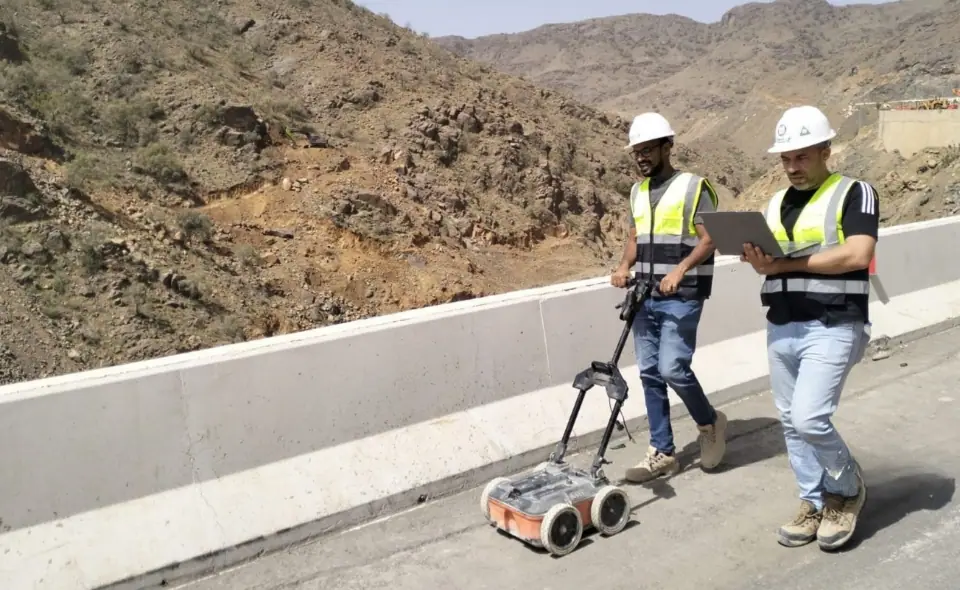
It is the search for voids beneath the ground using geophysical instruments such as GPR, MASW and ERT, followed by verification through drilling and treatment with cement grouting where needed.
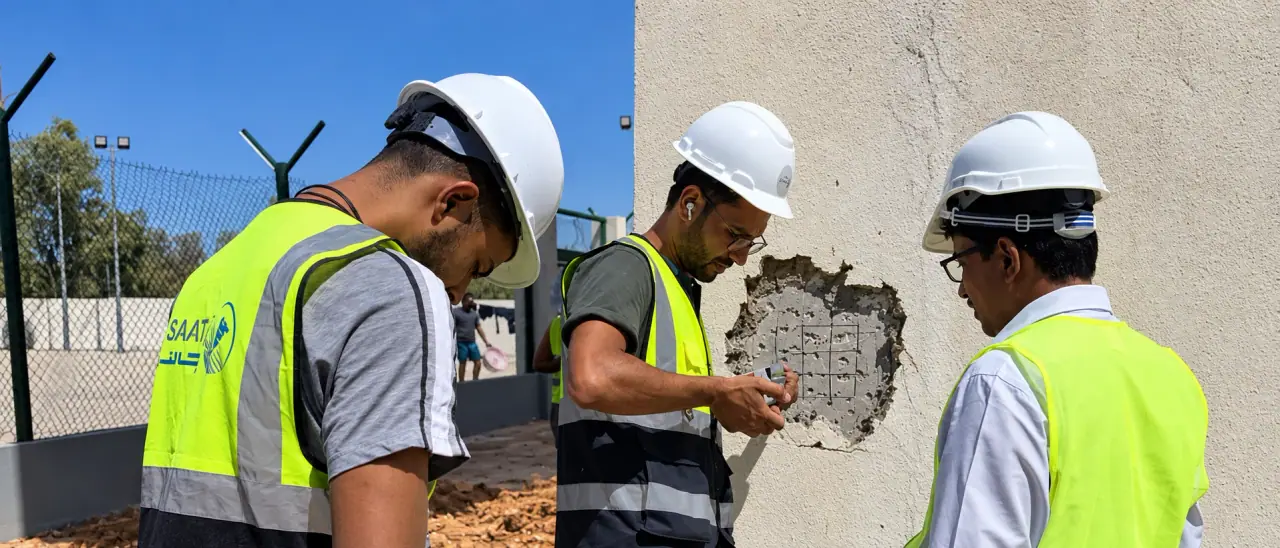
Field density tests on soil, monitoring of concrete pours (temperature, slump, air content and cube sampling), and sampling of asphalt from the project for testing in the laboratory.
Send us the project location, area, structure type and expected number of floors through the contact form or WhatsApp, and we will reply within 24 hours.
Send us your project details and we will reply with a quotation within 24 hours.